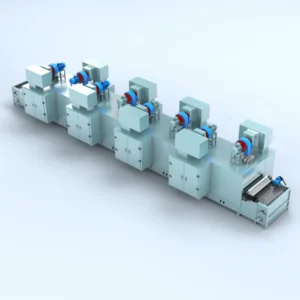
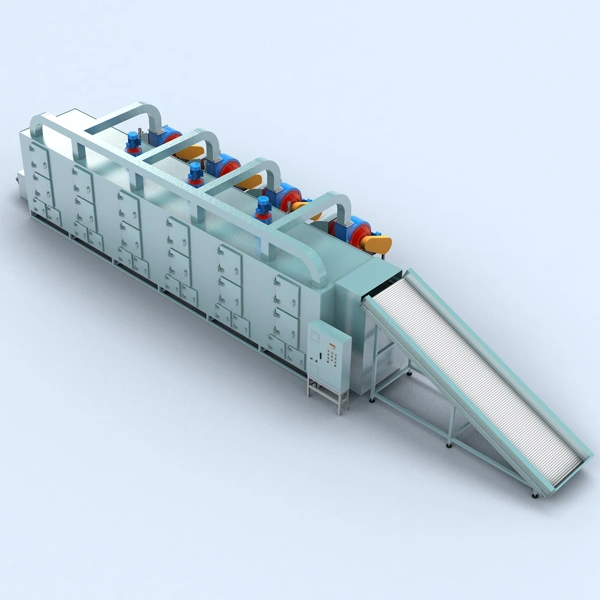
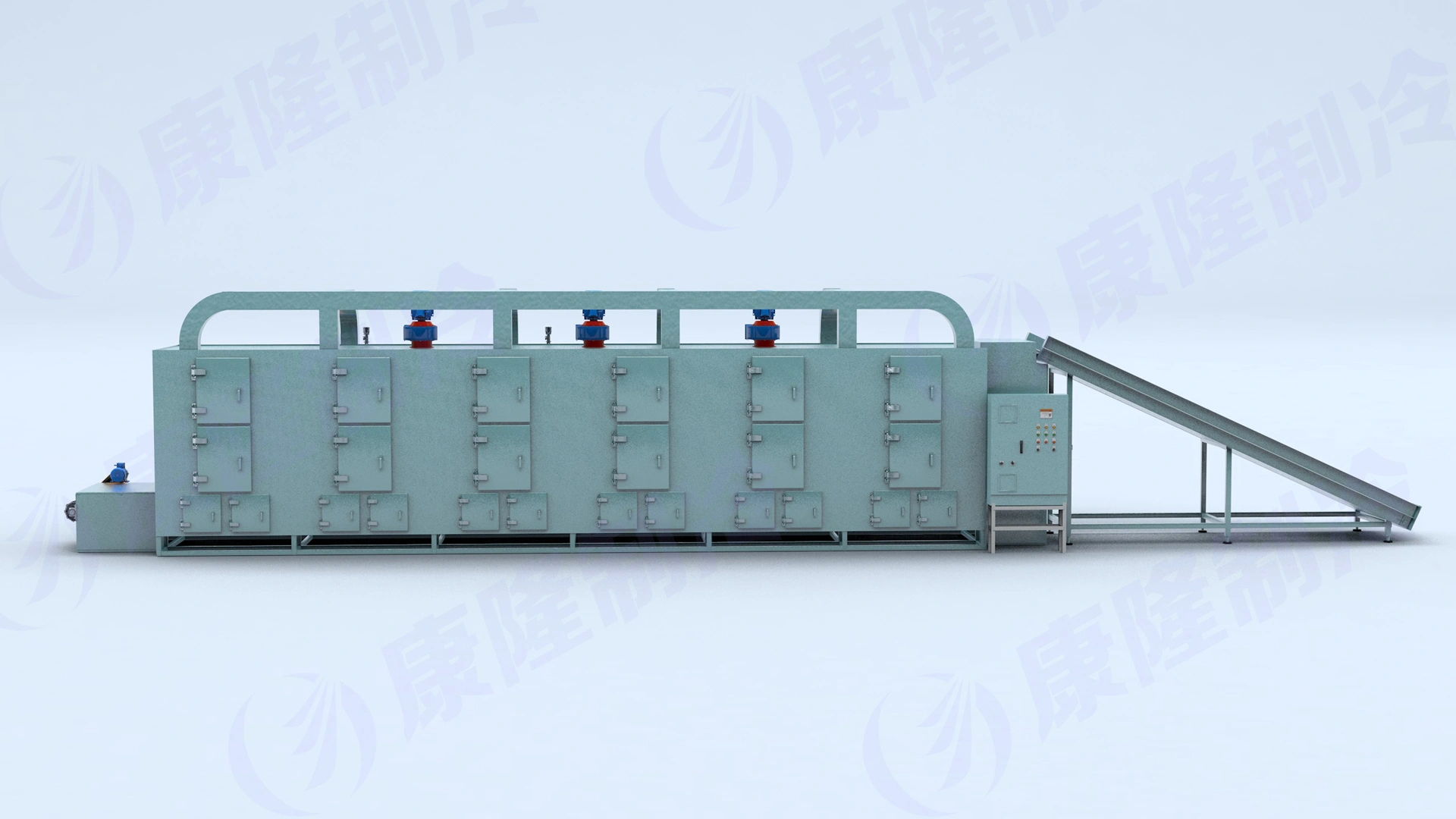
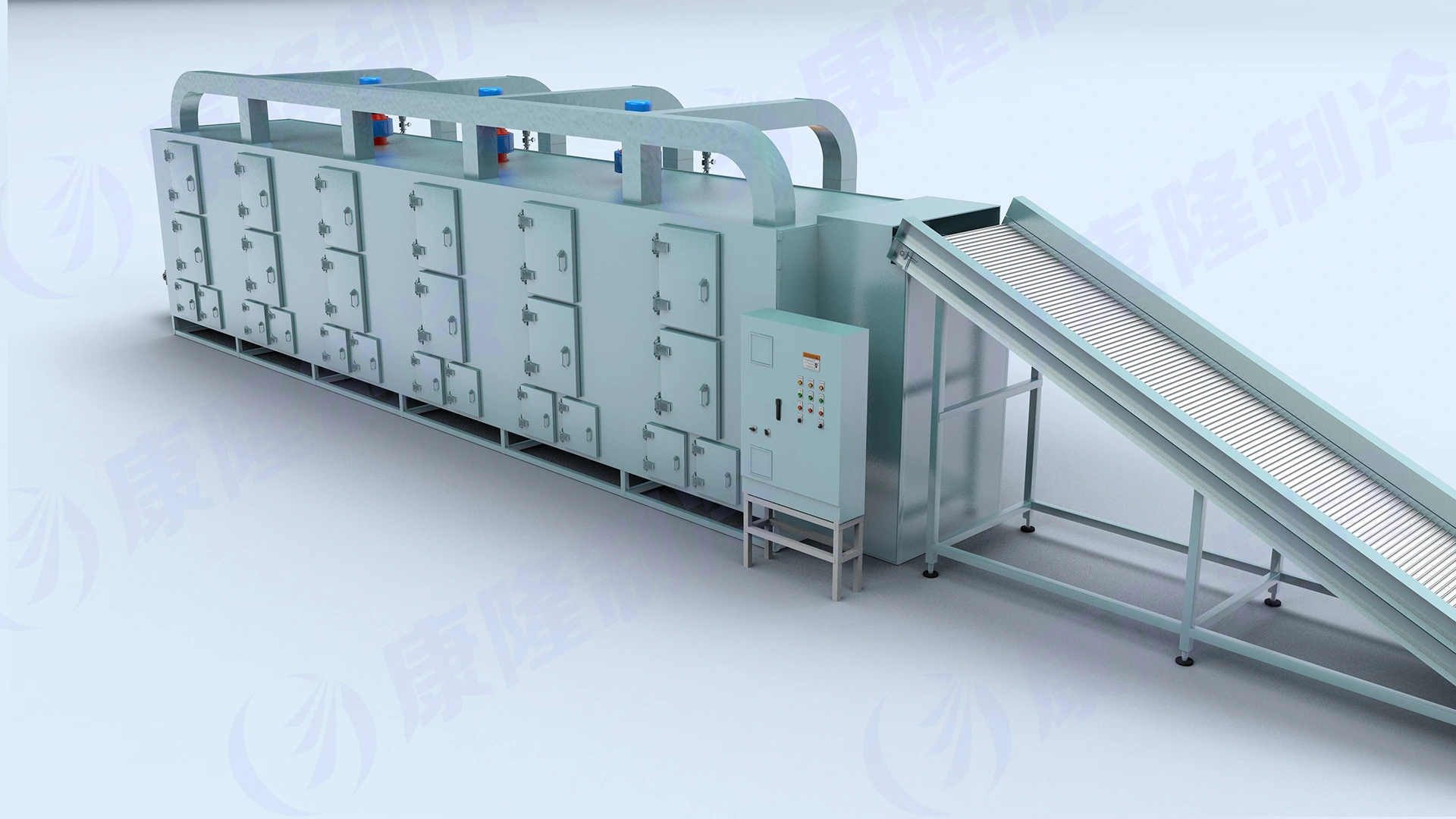
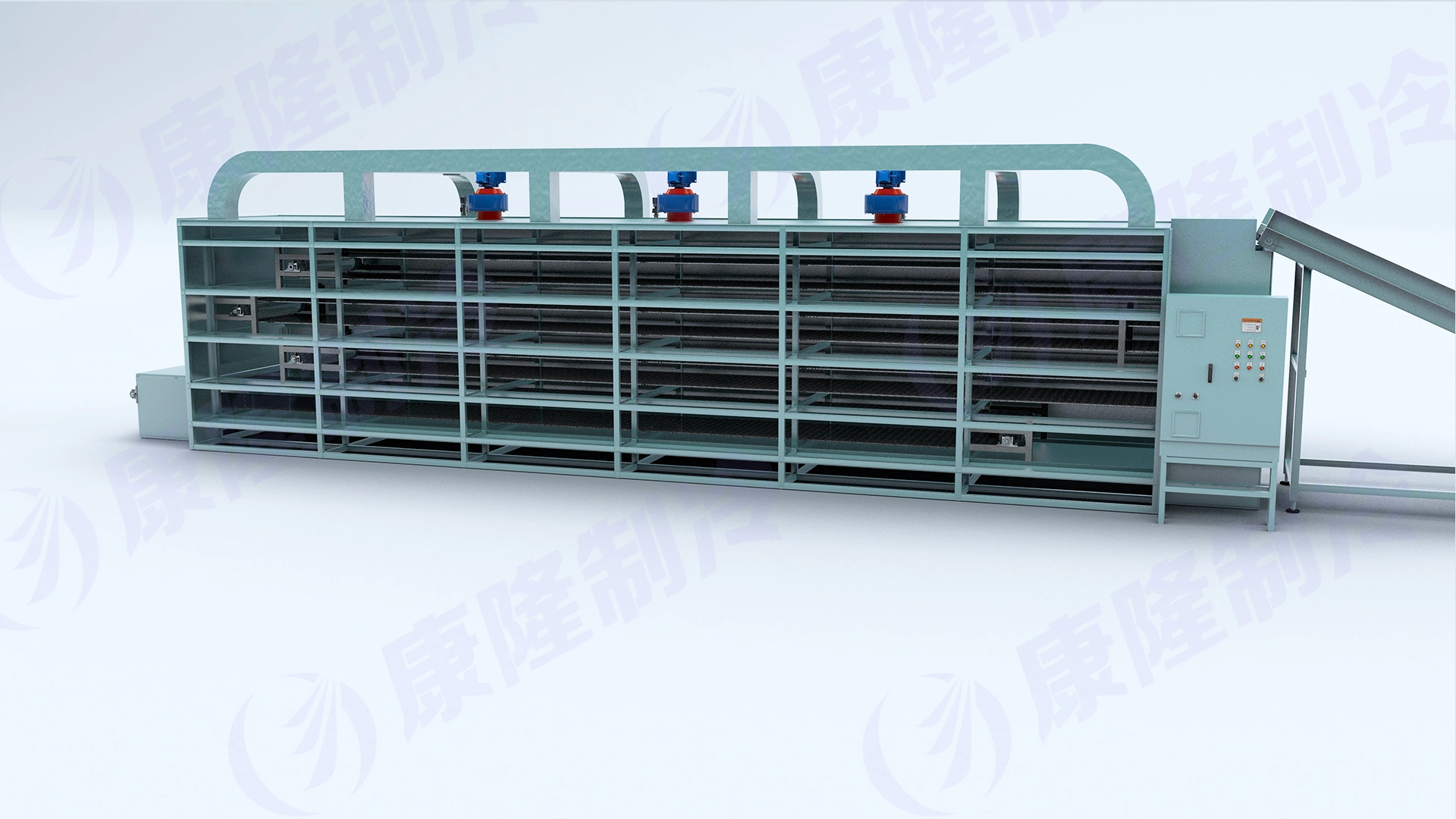
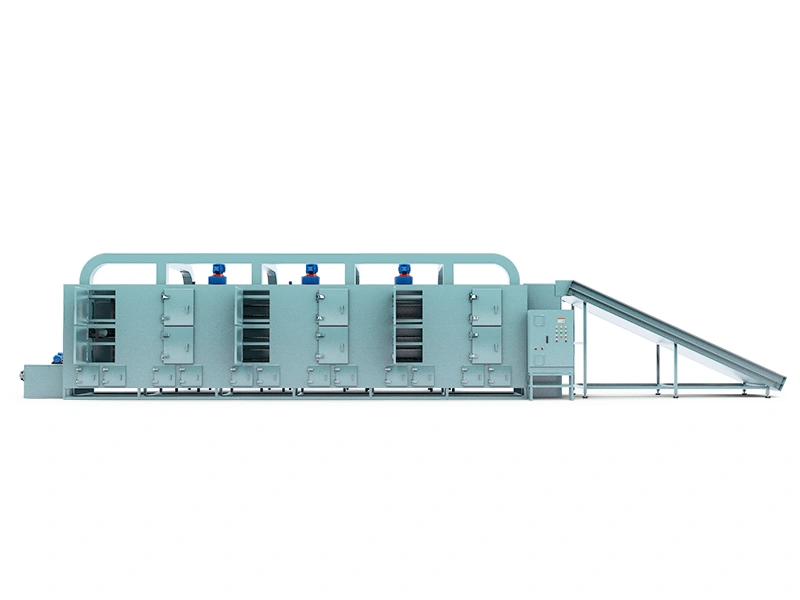
Automatic belt dryers utilize distinct, independent temperature zones to customize thermal processing and optimize heat and mass transfer. Products flow through these separate zones, subject to carefully controlled airflow and temperature conditions. Precise regulation of airflow, temperature, and humidity helps maintain or create desired product characteristics while ensuring high operating efficiency and low operating costs. A cross-duct design maximizes humidity uniformity and delivers constant airflow to both sides of the product bed.
Each belt dryer is tailored to the unique processing needs of each customer’s product, achieving optimal performance and meeting the specific thermal and dehydration requirements. Customers can specify parameters such as feed and discharge material to ensure seamless integration into their plant design.
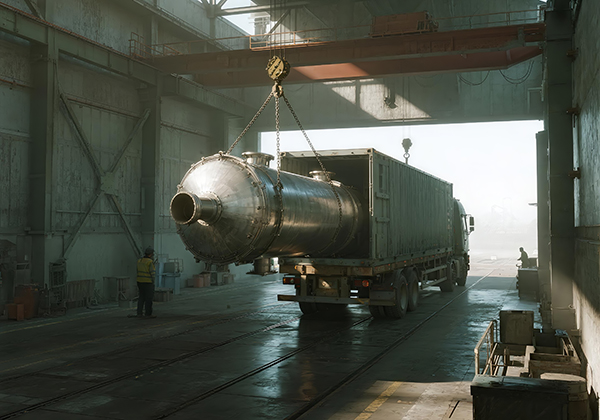
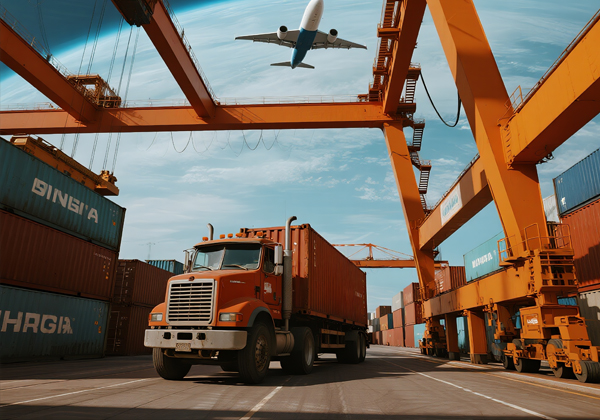
The HS Series belt dryers offer modular design options, effectively reducing costs associated with packaging, installation, and commissioning. Customers can choose between pre-assembly and on-site assembly for shipping. Pre-assembly saves time and site costs, while on-site assembly allows for installation in confined factory conditions and reduces shipping costs.
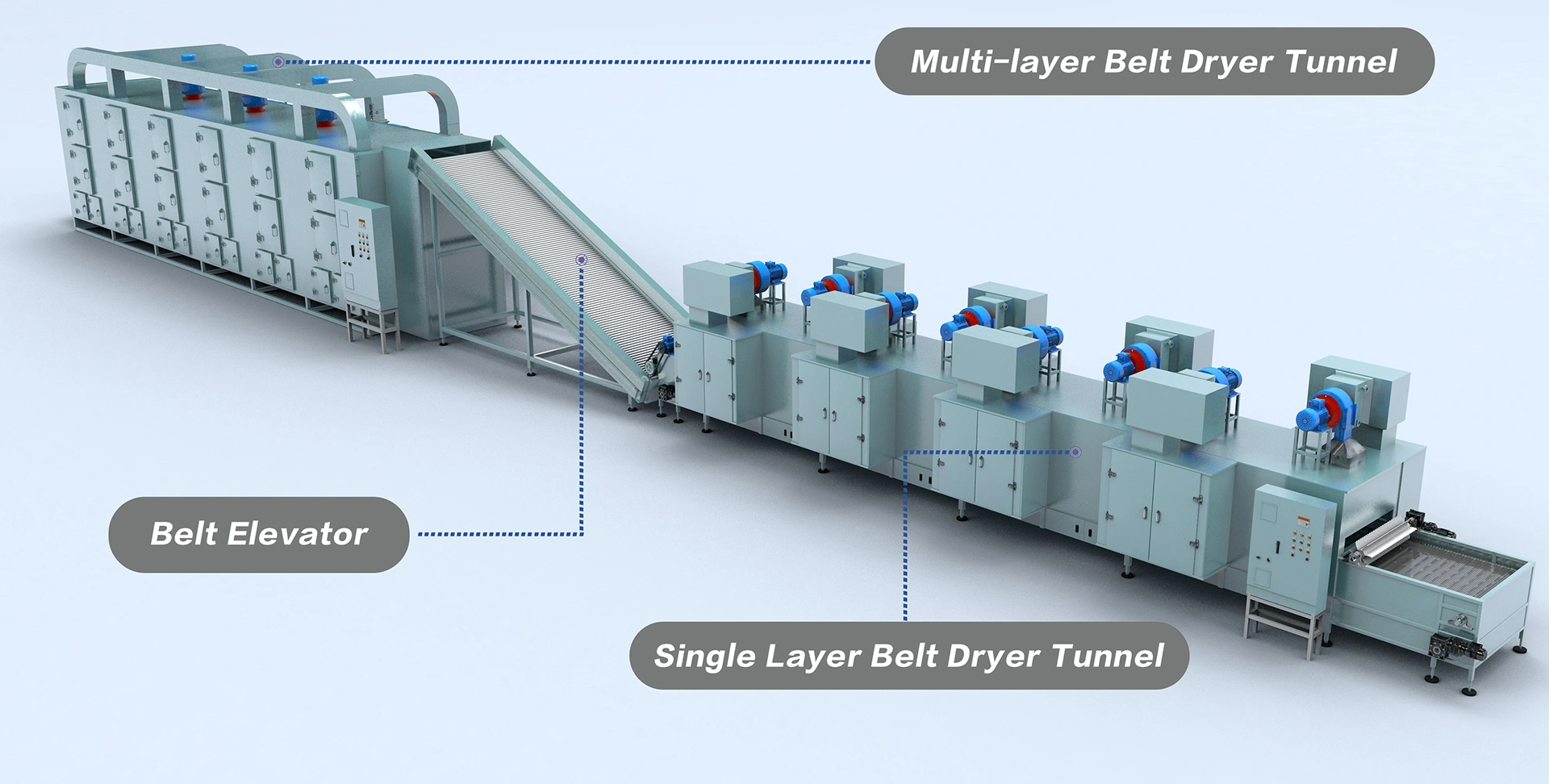
| HS-II-1.6-I Feed Section | HS-II-1.6-II Mid Section | HS-II-1.6-III Discharge Section | HS-II-2-I Feed Section | HS-II-2-II Mid Section | HS-II-2-III Discharge Section | |
|---|---|---|---|---|---|---|
| Width Of Belt | 1.6 | 1.6 | 1.6 | 2 | 2 | 2 |
| Length Of Drying Section(m) | 10 | 10 | 10 | 10 | 10 | 8 |
| Thickness Of Material To Be Covered(mm) | ≤100 | ≤100 | ≤100 | ≤100 | ≤100 | ≤100 |
| Temperatuer(℃) | 50-150 | 50-150 | 50-150 | 50-150 | 50-150 | 50-150 |
| Heat Exchange Area(㎡) | 525 | 398 | 262.5 | 656 | 497 | 327.5 |
| Steam Pressure(Mpa) | 0.2-0.8 | 0.2-0.8 | 0.2-0.8 | 0.2-0.8 | 0.2-0.8 | 0.2-0.8 |
| Drying Time(H) | 0.2-1.2 | 0.2-1.2 | 0.2-1.2 | 0.2-1.2 | 0.2-1.2 | 0.2-1.2 |
| Power(Kw) | 0.75 | 0.75 | 0.75 | 0.75 | 0.75 | 0.75 |
| Overall Dimensions(m) | 12×1.8×1.9 | 12×1.8×1.9 | 12×1.8×1.9 | 12×2.4×1.92 | 12×2.4×1.92 | 12×2.4×1.92 |
 |
 |
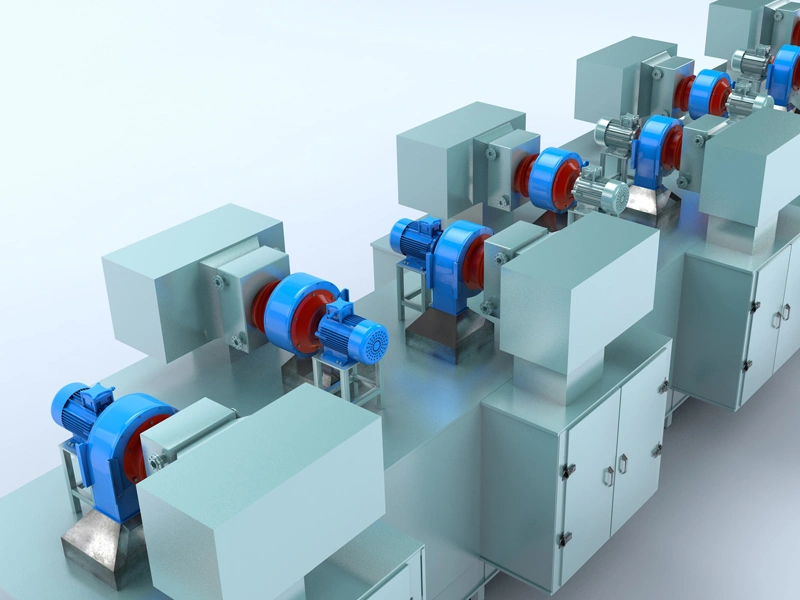
Specialized Heating System |
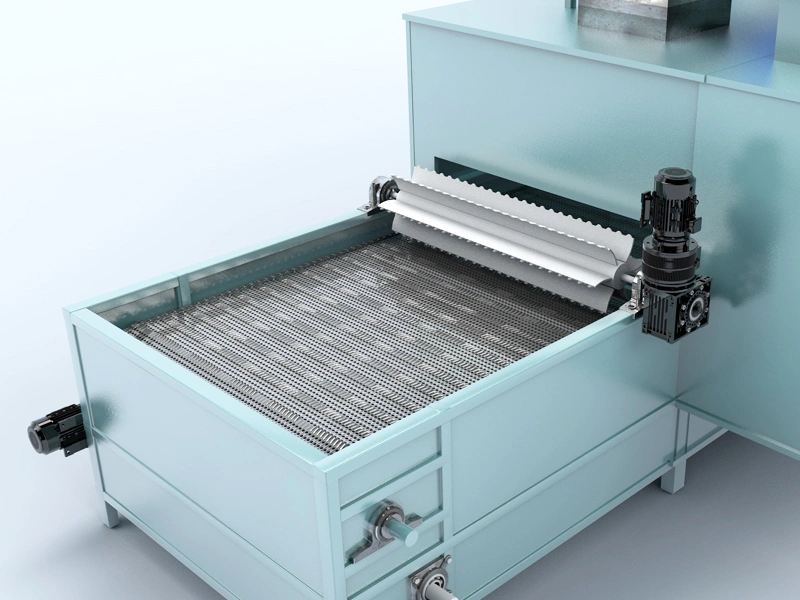
Conveyor System |
|
|
 |
 |
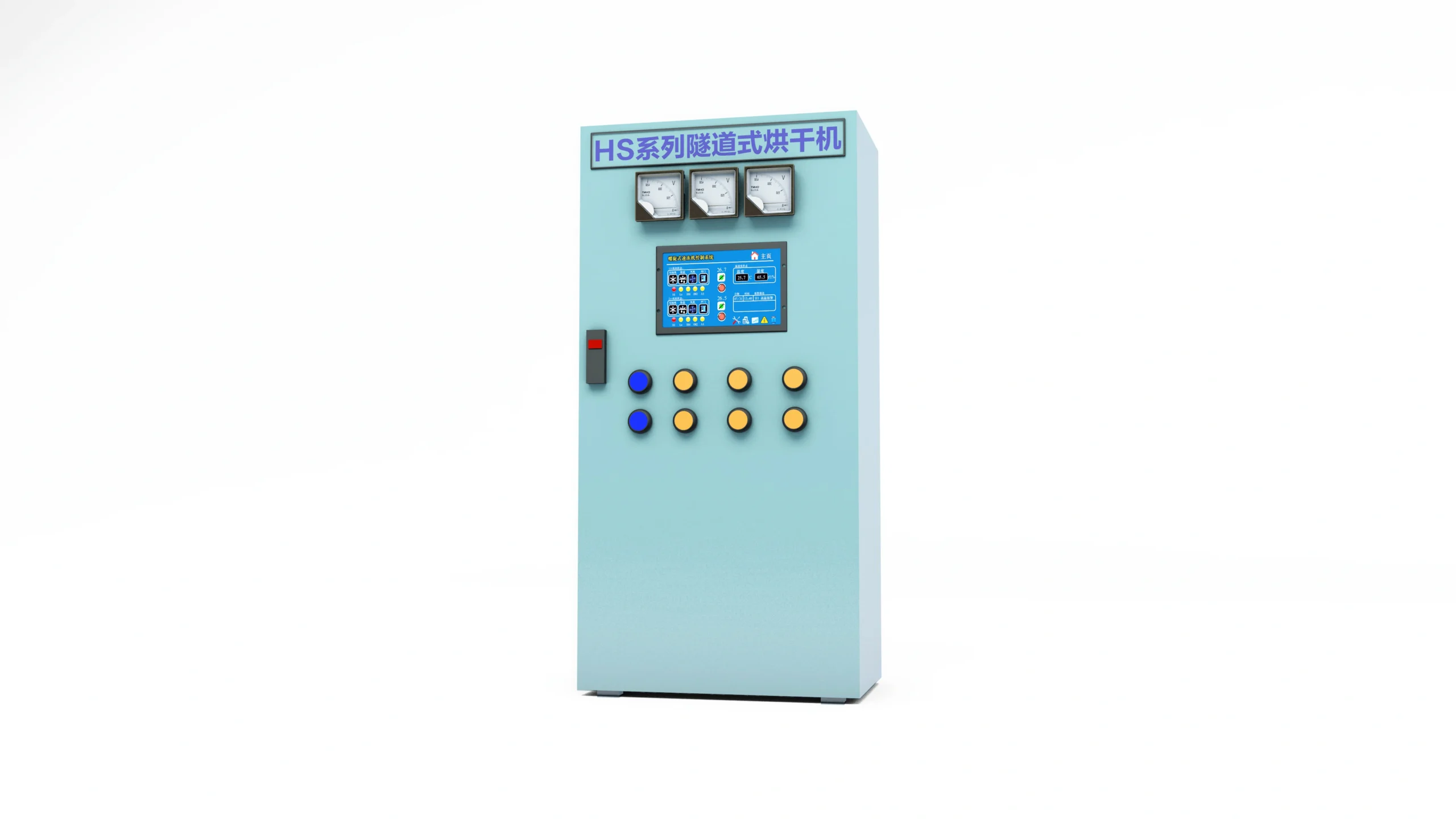
Intelligent Control System |
Multi-layer Dryer |
|
|
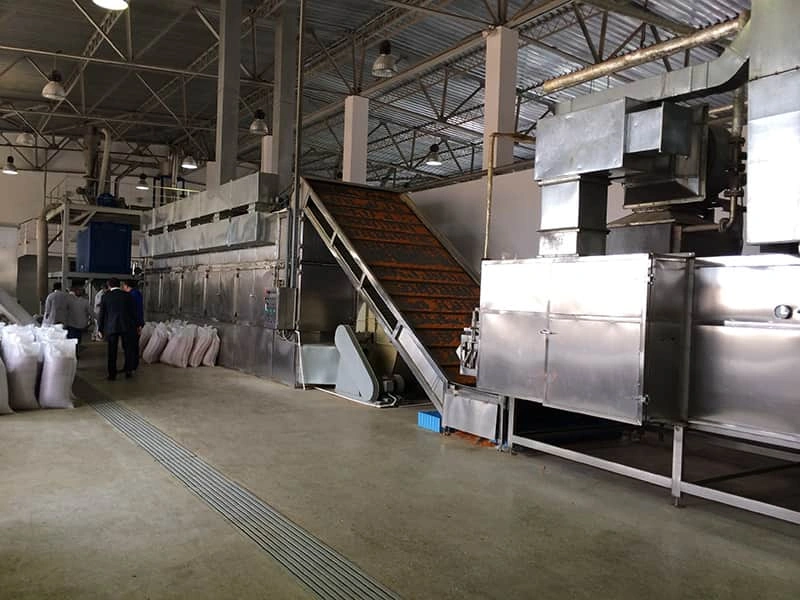
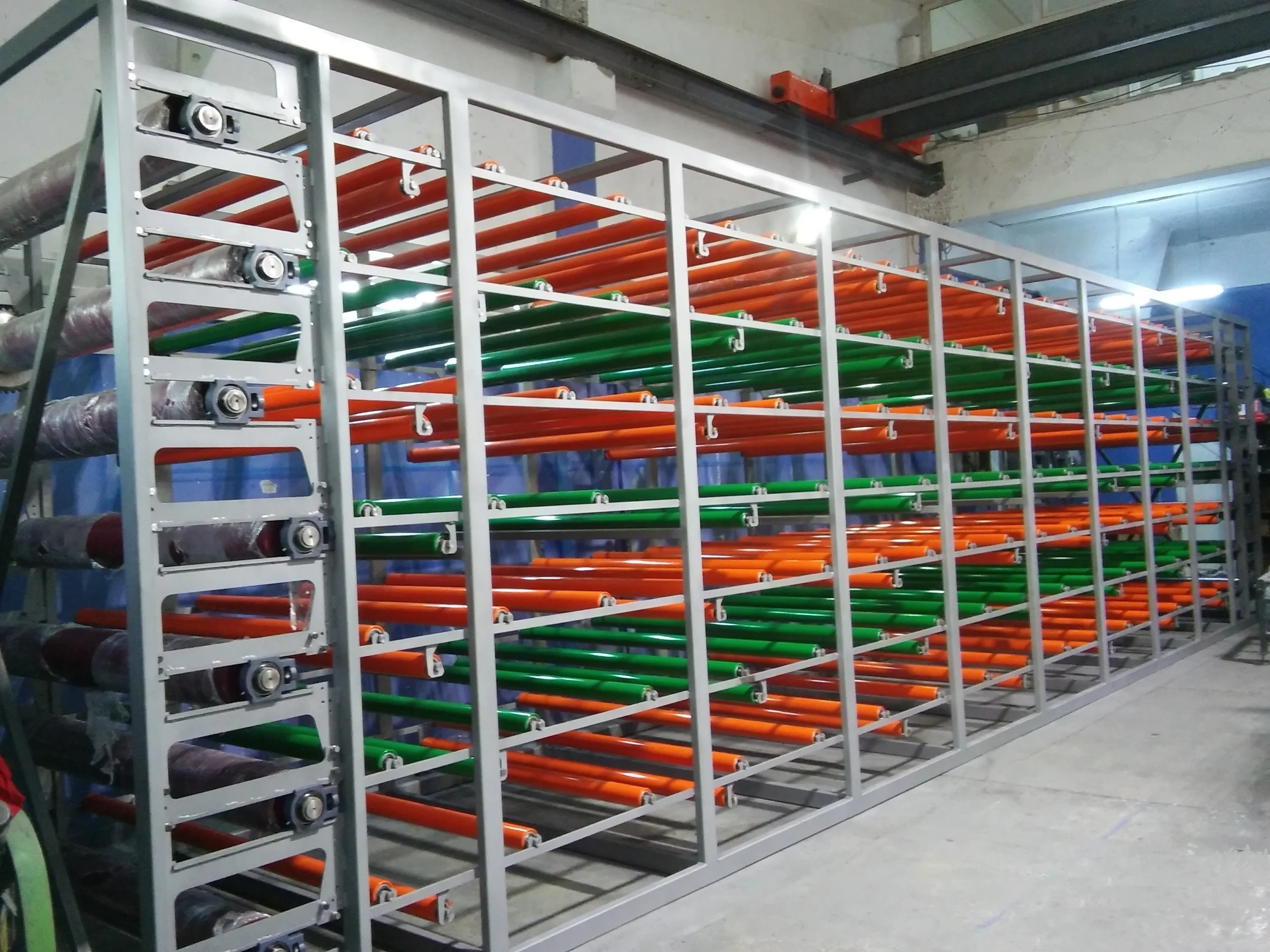
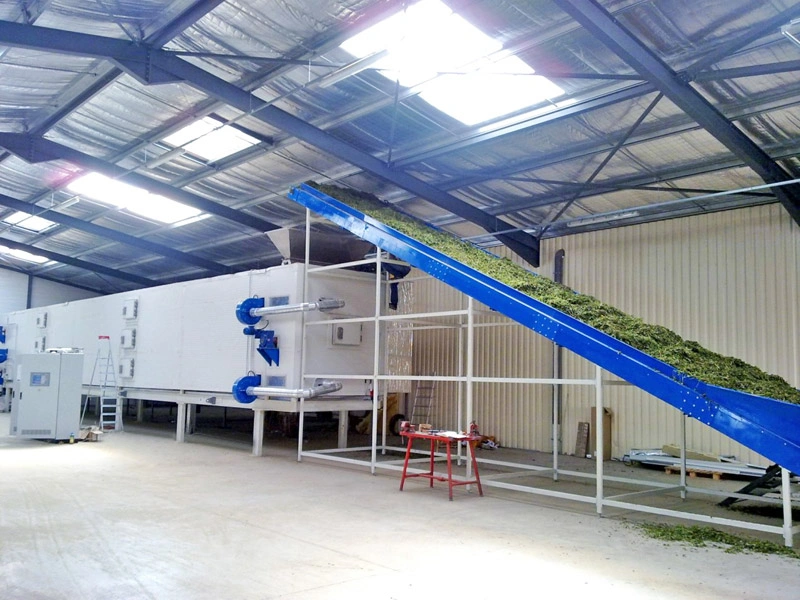
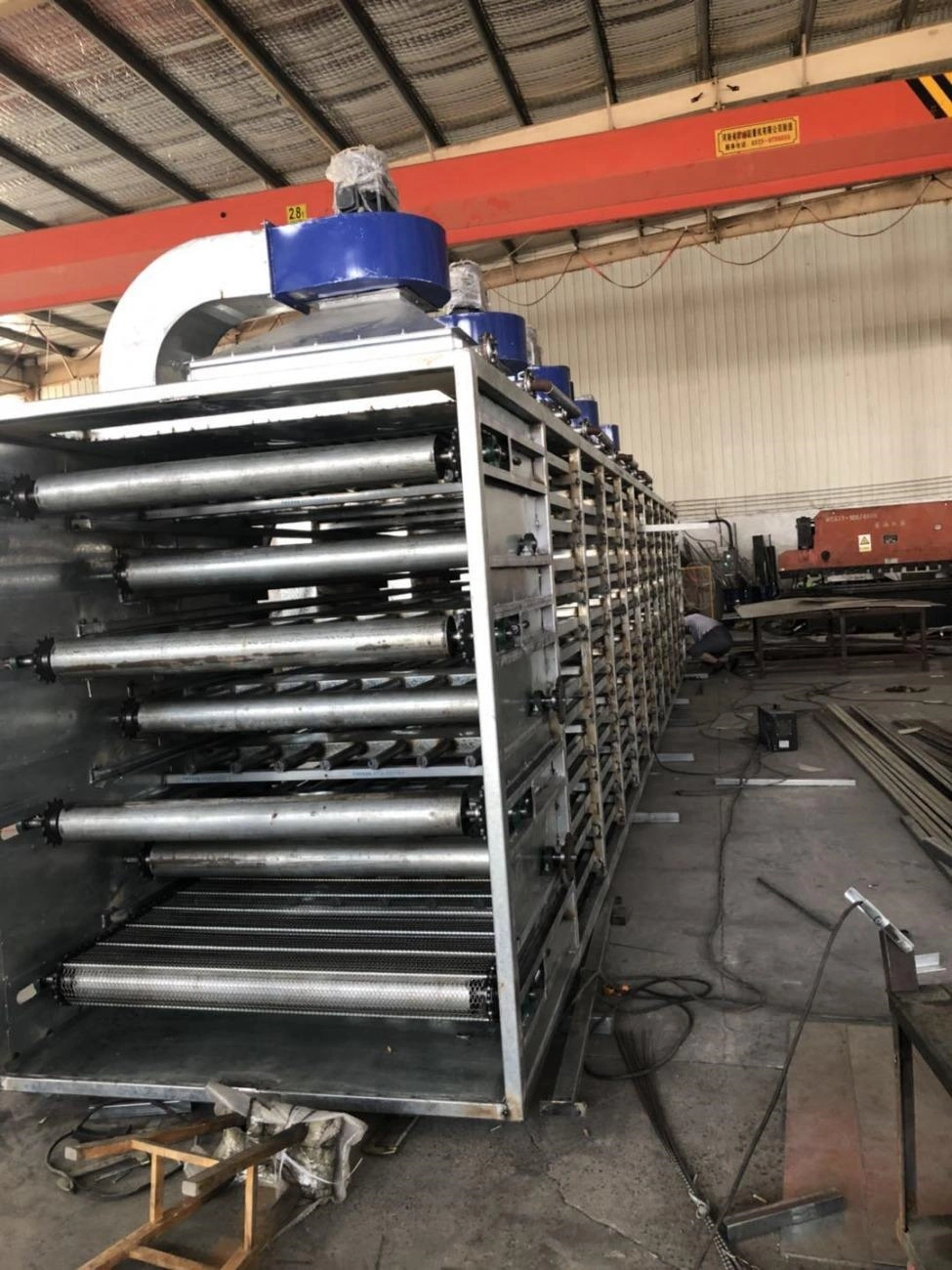
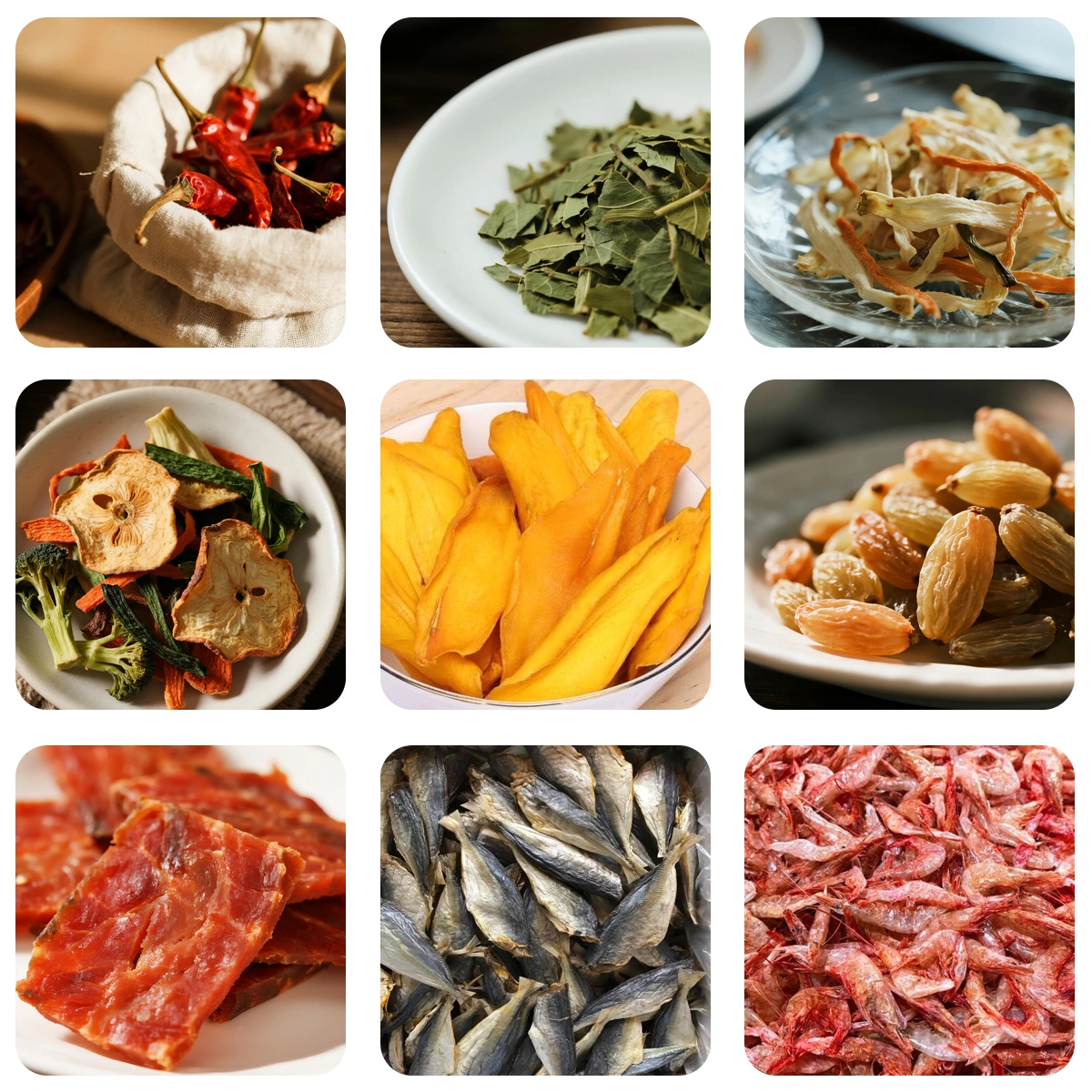
Automatic belt dryers are widely used in the processing of a wide range of industrial products, including snacks, granola, dehydrated fruits and vegetables, synthetic rubber, polymers, chemicals, and more. They are particularly suitable for drying well-ventilated flakes, strips, and granular materials. Even pasty materials such as filter cakes can be dried using a granulator or extruder mechanism. Belt dryers can be used as ovens, roasters, toasters, or coolers for a variety of applications. The product moves along a conveyor bed, passing through multiple temperature zones, where the air transfers heat and removes moisture. The addition of a rotary feeder allows the material to be spread evenly and ensures uniform drying because it will not flip or drip during the drying process. Automatic agitators and scrapers smoothly feed the material to subsequent processes.